


Fluid Balance, Nervous System, and Magnesium – The Underestimated Importance of Electrolytes
Hydration and electrolytes are cornerstones of bodily health and function. While water is the primary fluid that sustains us, electrolytes ensure the proper electrical environment of our cells, fluid balance, and the functioning of muscles and nerves. This means that fluid intake combined with electrolytes can be beneficial in many cases – especially when the body loses fluid through sweating, intense training, or heat.
???? What are Electrolytes?
Electrolytes are ionic minerals that carry an electrical charge when they dissolve in water. The main electrolytes in the body are sodium, potassium, calcium, chloride, and magnesium. They help to:
-
maintain fluid balance,
-
conduct nerve impulses,
-
regulate muscle contractions (including the heart muscle),
-
stabilize the body’s pH level.
Without a sufficient amount of electrolytes, these processes do not occur efficiently – the body cannot properly transport water into or out of cells.
???? Why is Magnesium Important?
Magnesium is one of the electrolytes whose role is often underestimated, yet it participates in numerous biochemical reactions within the body. For example:
-
Magnesium is essential for muscle relaxation and helps prevent cramps.
- It is associated with energy production and reduces fatigue.
- Furthermore, magnesium supports nervous system function and helps maintain the proper balance of electrolytes in cells.
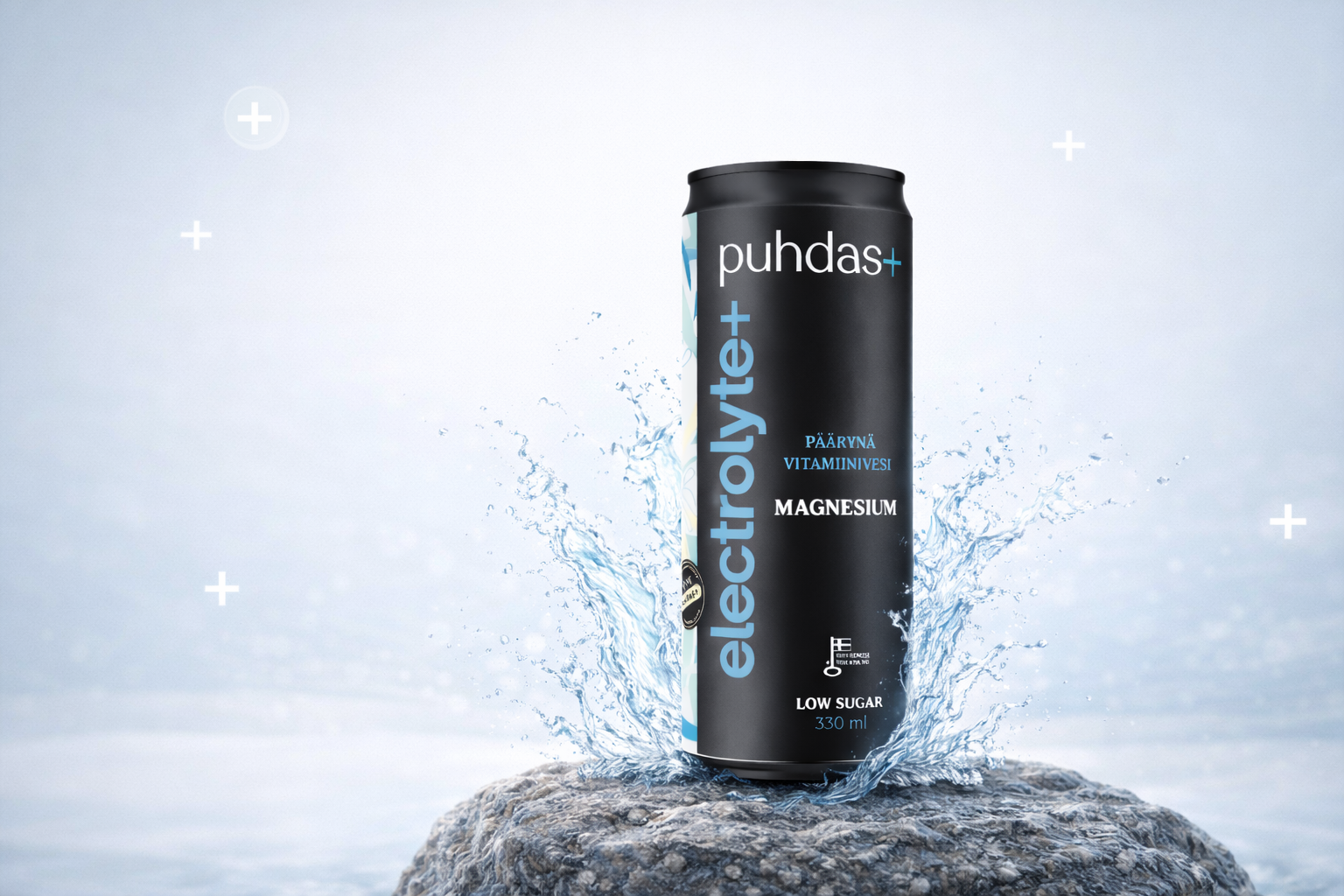
Electrolyte + Vitamin Water with Magnesium 330 ml contains:
-
water and electrolytes (including magnesium citrate, sodium chloride),
-
Vitamin C (a known antioxidant),
-
low sugar content (2.5 g/100 ml) – which is significantly less than many sports drinks.
This combination can support:
✔ restoration of fluid and mineral balance after fluid loss due to sweating,
✔ recovery after physical exertion,
✔ energy metabolism and overall well-being thanks to Vitamin C and magnesium.
???? Electrolytes and Magnesium – Why Your Body Might Need Them in Daily Life Too?
Electrolyte and fluid balance are often associated with sports or hot summer days. In reality, many daily physiological and lifestyle factors affect electrolyte levels in the body, which may not be immediately apparent. The balance of electrolytes – including magnesium – is crucial for the normal functioning of the nervous system, muscles, heart, and metabolism throughout life.
???? The Role of Electrolytes in the Body
Electrolytes (e.g., sodium, potassium, magnesium, calcium, and chloride) are minerals that dissolve in water and conduct electrical signals. They are essential for:
-
transmitting nerve impulses
-
regulating muscle contractions and relaxations
-
maintaining heart rhythm
-
maintaining fluid and blood pressure balance
-
producing cellular energy (ATP synthesis)
???? Reference:
Sawka et al., Exercise and Fluid Replacement, Medicine & Science in Sports & Exercise, 2007
Costello et al., Magnesium in human health, Nutrients, 2016
⚠️ Electrolyte Balance Can Also Be Disturbed by Factors Other Than Heat and Exercise
1️⃣ Daily Stress and Nervous System Strain
Chronic stress increases cortisol and adrenaline levels, which in turn accelerates magnesium excretion through urine. Magnesium has a calming effect on the nervous system, and its deficiency can exacerbate anxiety, sleep disorders, and muscle tension.
???? Reference:
Seelig, Consequences of magnesium deficiency on the enhancement of stress reactions, Journal of the American College of Nutrition, 1994
2️⃣ Consumption of Coffee, Alcohol, and Diuretics
-
Caffeine and alcohol promote the excretion of fluids and electrolytes through the kidneys
-
Certain medications (e.g., blood pressure medications, diuretics) can reduce sodium, potassium, and magnesium levels
This means that even with sufficient water intake, mineral balance can be disturbed.
???? Reference:
Whang et al., Magnesium depletion due to drugs, Archives of Internal Medicine, 1992
3️⃣ Gastrointestinal Problems and Malabsorption
Diarrhea, irritable bowel syndrome (IBS), celiac disease, or inflammatory bowel diseases can significantly reduce the absorption of electrolytes and minerals. In such situations, the body may require easily absorbable electrolytes in liquid form.
???? Reference:
Romani, Magnesium homeostasis in health and disease, Metabolism, 2013
4️⃣ Insufficient or Unbalanced Diet
Modern diets often include:
-
processed foods (high in sodium, low in magnesium)
-
few whole grains, legumes, and green vegetables
Studies show that a significant portion of the European population does not meet the recommended daily intake of magnesium.
???? Reference:
EFSA Panel on Dietetic Products, Dietary Reference Values for magnesium, 2015
5️⃣ Age and Hormonal Changes
With increasing age:
-
mineral absorption decreases
-
medication use increases
-
kidney function changes
Hormonal fluctuations (e.g., PMS, menopause) can also increase the need for magnesium, as this mineral is involved in muscle and nervous system regulation.
???? Reference:
Nielsen & Lukaski, Update on the relationship between magnesium and exercise, Current Sports Medicine Reports, 2006

???? Electrolyte + Vitamin Water with Magnesium as a Daily Support
Electrolyte + Vitamin Water with Magnesium (330 ml) can be a practical choice in situations where:
-
fluids are consumed, but mineral levels may be low
-
fatigue, muscle tension, or difficulty concentrating occurs
-
a low-sugar alternative to sweet drinks is desired
In addition to electrolytes, the drink contains Vitamin C, which supports the immune system and helps reduce oxidative stress.
Try it and notice how Electrolyte + Vitamin Water with Magnesium 330 ml can improve your daily well-being!
Leave a Reply
You must be logged in to post a comment.